
Beekeeping accessories: what you actually need
Four things earn their place in a pocket. Everything else lives in the bag, and most of a beginner's accessory list is bought and never used.
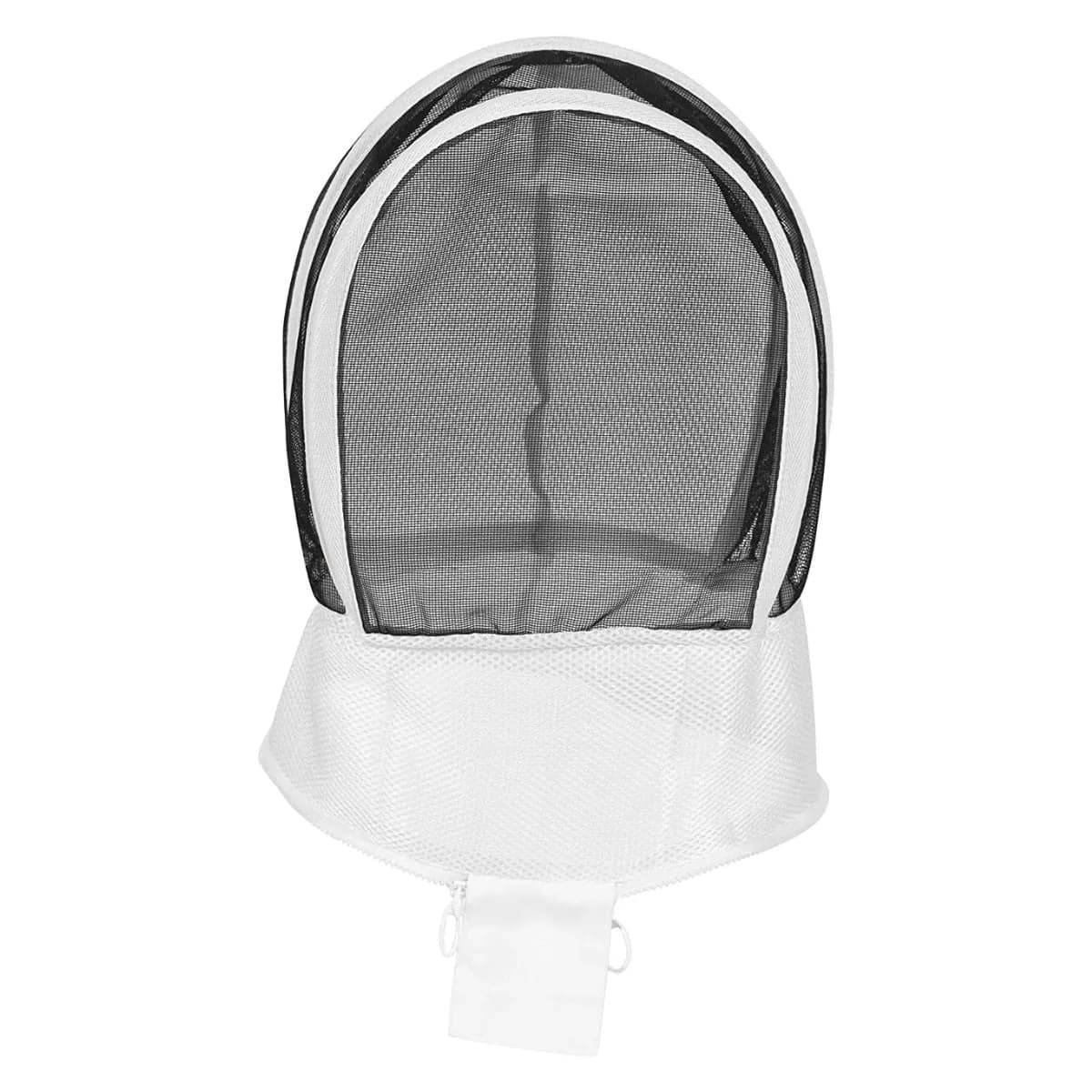
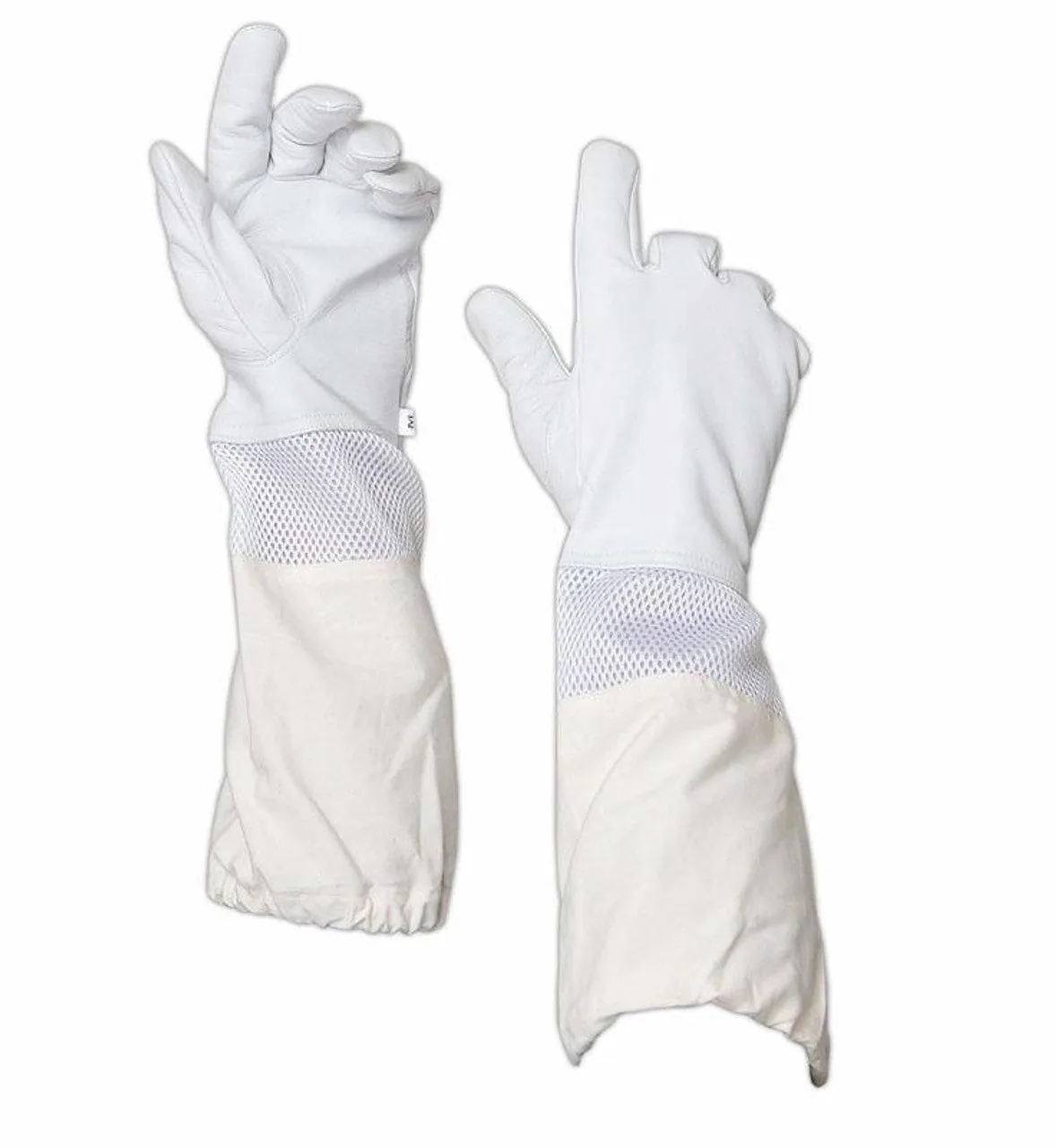
Most beekeeping accessories are bought once and used never. Four earn their place on you — a hive tool, a cloth, your phone and a cap — and two more belong in the bag whatever else you leave behind: a spare veil and a spare pair of gloves.
The two that actually matter
Neither is sold as an accessory, and both prevent a cancelled inspection — check them when the suit arrives.
A spare veil. The veil is the part most likely to be damaged and the part that takes a whole suit out of service when it is. A spare turns a torn veil from the end of a visit into an annoyance. It is only possible if yours detaches — replacing a bee suit veil covers checking that.
A spare pair of gloves. Gloves split at the fingertip without warning, and a split fingertip is the end of your usefulness that day. They are the consumable in any kit.
Both cost a fraction of a suit. Neither appears on a starter-kit list.
What to carry on you
| Item | Why |
|---|---|
| Hive tool | The one thing you need in your hand constantly, and the one most often lost in grass |
| A cloth | For the tool and sticky gloves. Keeps propolis off everything else |
| Phone, reachable | Photographs of frames, a timer, and because you are often alone |
| A thin peaked cap | Under the veil. Pushes mesh off your forehead and cuts glare |
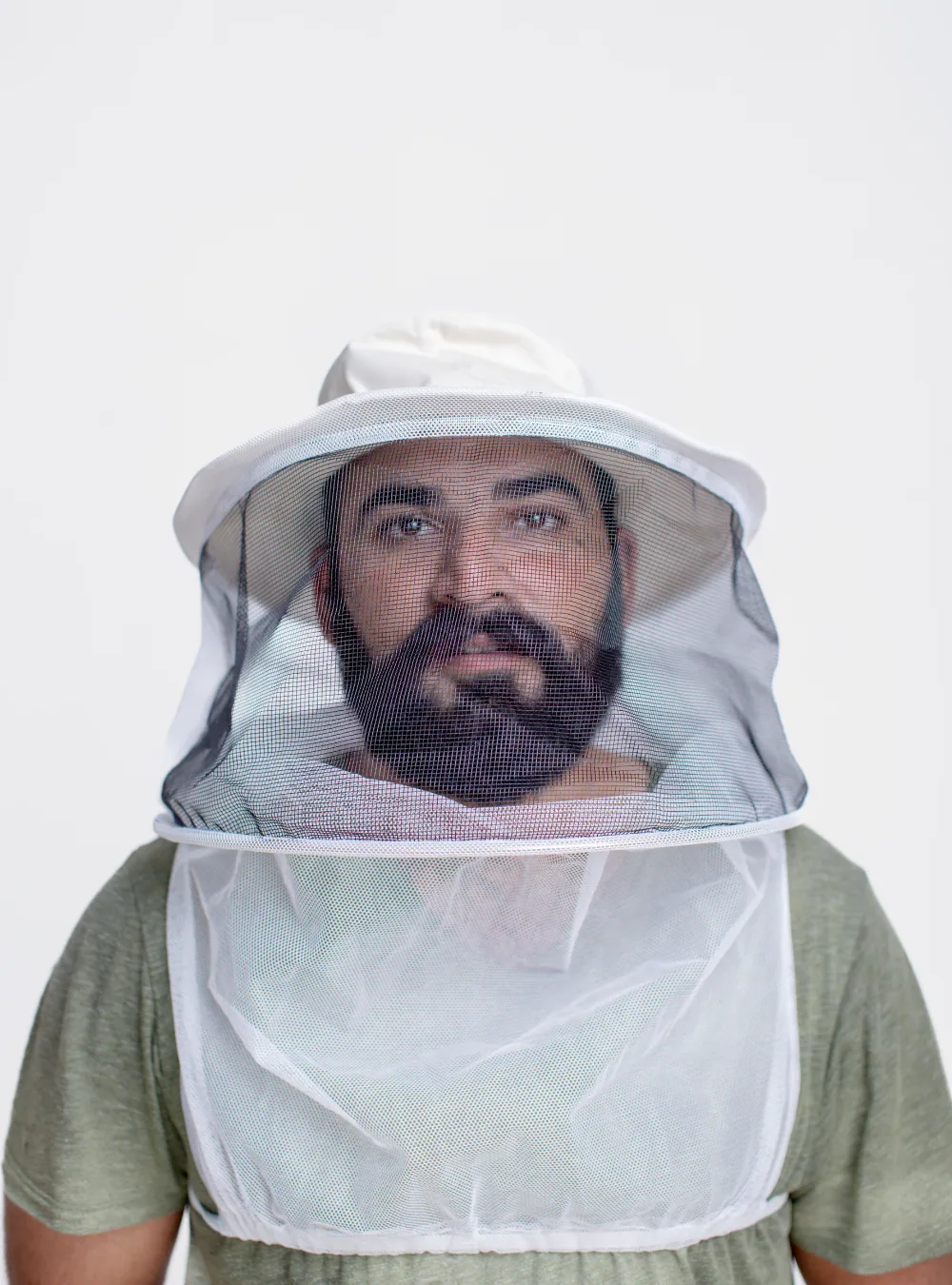
The cap is the cheapest useful item in beekeeping and almost nobody has one. It is the fix for a fencing veil's main drawback and it helps veil visibility at the same time.
A holster beats a pocket
A hive tool holster on a belt is better than any suit pocket, for three reasons.
It is reachable with gloves on. It does not put stitching through the suit — which on bonded mesh compresses the layers locally. And the tool goes back in the same place every time, which is the only reliable way to stop losing it.
Why bee suits have so many pockets covers the compromise a pocket represents on a protective garment.
Beekeeping accessories that stay in the bag
- Smoker and fuel. Lit before you open anything, carried by an adult, never in the same box as the suit afterwards.
- Bee brush. Useful occasionally, and a handful of grass does the same job.
- Queen cage or clip, seasonally.
- A bucket, which is the single most useful container in an apiary and costs almost nothing.
- Water, left where you will walk back to.
Beekeeping accessories bought and never used
Being honest about this is more useful than a longer list.
Frame grips, elaborate queen-marking kits, specialist uncapping gadgets and most multi-tool hive tools fall into this category for a first year or two. They are not bad products; they are solutions to problems you have not met yet.
The pattern: anything that replaces a habit rather than enabling one tends to sit in the shed. A bucket and a cloth get used every visit.
Beekeeping accessories for the suit itself
Three worth knowing about, because they fix specific faults rather than adding features.
Elasticated over-sleeves. For a cuff that is an inch short, common on a long frame — suits for tall beekeepers.
Ankle gaiters or straps. For working in long grass, where the trouser leg rides up.
Replacement cuffs and elastic. Slack cuffs are the commonest fault on any suit and a repair rather than a write-off. Whether a supplier sells the part tells you a lot — what to check in a warranty.
The bag itself
Rarely thought about and it decides whether the rest gets carried.
A bucket with a lid is the cheapest answer and works better than most purpose-made bags: it carries everything, it is a seat, it holds frames, and it hoses clean. A proper tool bag is tidier and worse at all four.
What matters is that the spare veil and spare gloves live in it permanently rather than being remembered. Beekeeping accessories you have to decide to bring are beekeeping accessories you leave at home on the day you need them.
What to keep in the car
If you take swarm calls, a second set lives in the vehicle: a jacket and veil, gloves, a box with a closable lid, a sheet and secateurs.
Swarm calls arrive at short notice and in work clothes, and the kit you have to go home for is the kit that costs you the swarm — a bee suit for swarm collection covers what that set should be.
For a club or a family
The accessories change. Labels on a tape inside each collar, spare veils, and gloves in a range of sizes do more for a shared set than anything else — buying for a club covers it.
For a household, one hive tool each is worth it despite being nominally shared, because they get put down in grass and lost. A family kit covers what is shared and what is not.
Our accessories, veils and gloves are sold separately so a spare is a small purchase. For equipment guidance from somewhere with nothing to sell, see Penn State Extension's beekeeping resources and the University of Georgia Bee Program.