
Beekeeping with children safely
Where they stand, what they hold, and the one rule that matters more than any of it: they can leave whenever they say so.

Beekeeping with children works when three things are settled before the hive is opened: where they stand, what they are allowed to do, and that they can leave the moment they say so. The kit matters and it matters less than those three — a child in a perfect suit who has not agreed the rules is the one who gets hurt.
Beekeeping with children: where they stand
Behind you and to the side, never in front and never in the flight path.
The flight path is the line bees take from the entrance, and standing in it is the commonest mistake visitors make. Walk the child round the back of the hive before you open anything and show them the line — then give them a spot and ask them to stay in it.
Give them a mark if you can: a bucket to stand beside, a particular fence post. "Stay there" works better than "stay back", because it is checkable.
The rule that matters most
They can say they want to leave, and it happens immediately, without discussion or negotiation.
Agree it out loud before you start, and keep it the first time even if it is inconvenient — mid-frame, mid-sentence, it does not matter. That promise is what makes a child willing to come back, and breaking it once removes it permanently.
It also makes them safer in the moment, because a child who knows they can leave does not panic. A child who thinks they are stuck does.
The drill, taught before the first visit
Three steps, said out loud and practised once with nothing wrong.
- Stop. Put down whatever you are holding, properly.
- Walk that way. Point at the direction in advance. Walking, not running.
- Then we sort it out. Veil off well clear of the hive, never beside it.
This is the same drill for a bee inside the suit and one in the veil, and children learn it faster than adults because they have no instinct to override yet.
What to let them carry
| Yes | Not yet |
|---|---|
| The brush | The smoker — it is a lit fire |
| A spare hive tool | A full frame, until they are calm and slow |
| A bucket or box | Anything hot, sharp or heavy |
| A frame with your hands on it too | Anything they have to walk backwards with |
The smoker row is the one adults get wrong. It is the item children most want to hold and the only one in a kit that can cause a burn or a fire.
Two habits for beekeeping with children
Slow hands. Everything near a colony is done slowly — lifting, turning, putting down. Fast movement is what a colony responds to, and it is exactly what children do naturally.
Look before you put anything down. Most crushed bees are crushed by a frame lowered onto them rather than by fingers, and a crushed bee changes the colony's mood. Teaching this one habit does more for a child's safety than any item of kit.
The kit, briefly
Covered properly in the starter kit clothing, but three points belong here.
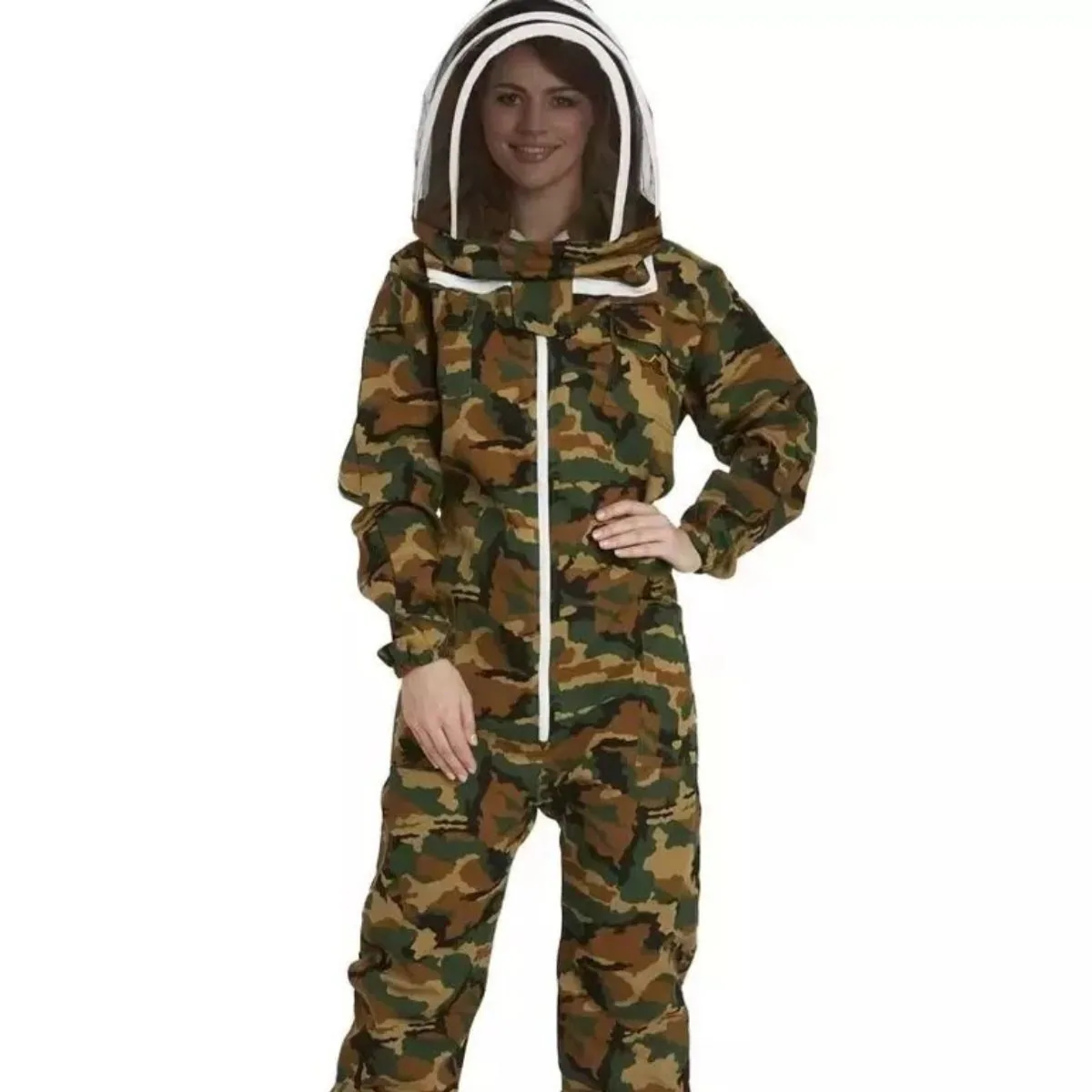
Buy a suit that fits today at the cuffs, ankles and collar. The instinct to buy two sizes up puts slack exactly where it lets bees in — the children's buying guide covers why.
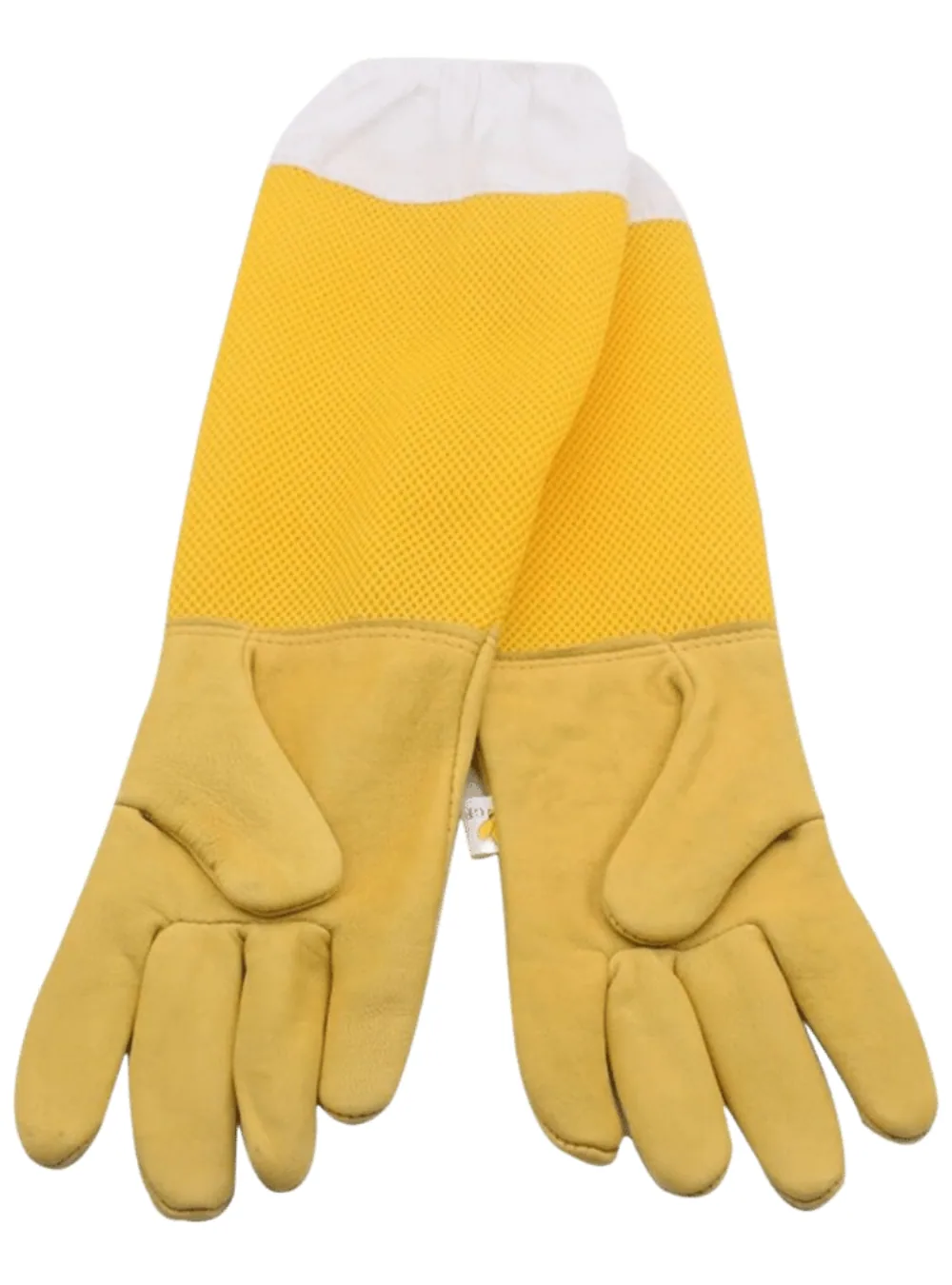
Buy gloves that fit the hand. Oversized gloves make a child clumsy, clumsy hands crush bees, and that is the sequence that turns a calm colony defensive — children's gloves.
And choose ventilated construction unless it is a cool morning. Children overheat faster than adults and notice later, and a child who has pushed the hood back because they are too hot is in a worse position than one who never came.
Timing a visit when beekeeping with children
Short, warm, still and bright. Twenty minutes is plenty for a first few visits, and stopping while they are still enjoying it is how you get a second one.
Avoid late summer if you can choose. Colonies are largest and most defensive then, and that is when most stings happen — early summer is a far better introduction.
And avoid any day when you already have a job to finish. Beekeeping with children and getting something done are two different visits.
What to do with your own attention
The hardest part of beekeeping with children is that you cannot give the colony and the child your full attention at once.
So decide in advance which one you are doing. A teaching visit is not an inspection — open the hive, show them two frames, close it. Anything you actually need to get done is a separate trip without them.
If you are doing both, do the child's part first while you are fresh and the colony is undisturbed, then send them back to the house and finish alone.
Beekeeping with children is easier with two adults
Two adults changes this entirely: one works the hive and one stays with the child, which is the arrangement association apiaries use for exactly this reason.
It also means somebody is free to walk a child away without closing the hive first, and that is the situation where a single adult has to choose between two things that both need doing.
Stings, agreed in advance
Everyone in a beekeeping household will be stung eventually, and the difference between a non-event and a bad afternoon is what was worked out beforehand.
Find out whether anyone has ever reacted badly to a sting, and if so talk to your doctor before they come to the apiary. That is a medical conversation and not one to take from a shop's website.
Agree who stays with the child and who closes the hive — both need doing, in that order. And decide now that a sting ends the session for a child: carrying on teaches them that saying it hurts changes nothing.
Somewhere to start that is not your hive
Association apiaries and university outreach often run sessions children can attend, with spare kit and people who have done it before. It is a better first experience than a parent managing a colony and a child at once.
Cornell's Pollinator Network and the University of Georgia Bee Program are examples of the sort of programme to look for in your own region.
What age a child can wear a bee suit covers readiness, and a family kit covers what the household actually needs to buy. Our children's suits are cut as their own garment.