
What drives the price of a bee suit
Construction, cut and whether spare parts exist. Three things you can see, and two expensive ones that make almost no difference.

The price of a bee suit is driven by three things you can check: how many bonded layers it has, how carefully it is cut, and whether the parts that fail can be bought on their own. Cloth weight and feature count — the two things listings lead with — account for far less than either suggests.
No figures appear on this page. Prices change, differ by market and live on the product itself. Write a number into an article and it goes stale the first time somebody edits a listing.
What the price of a bee suit actually buys
Bonded layers. The largest real difference. A three-layer ventilated suit takes more material and a bonding process than a single woven one, so it costs more to make. It is also the thing that stops a sting under pressure. Here money buys protection rather than impressions.
Cutting and grading. Invisible and expensive. A suit whose sleeve, rise and back length are drafted properly for each size costs more to develop than one scaled from a chest measurement, and it is the difference between a garment that works when you reach and one that rides up. How a suit should fit is what you are buying.
Components. Zips, elastic and thread cost little and decide a great deal. They end suits; the cloth rarely does.
A parts inventory. A supplier that stocks replacement veils and cuffs is carrying stock it may never sell, and that shows in the price. It is also the clearest signal that the suit is meant to be repaired.
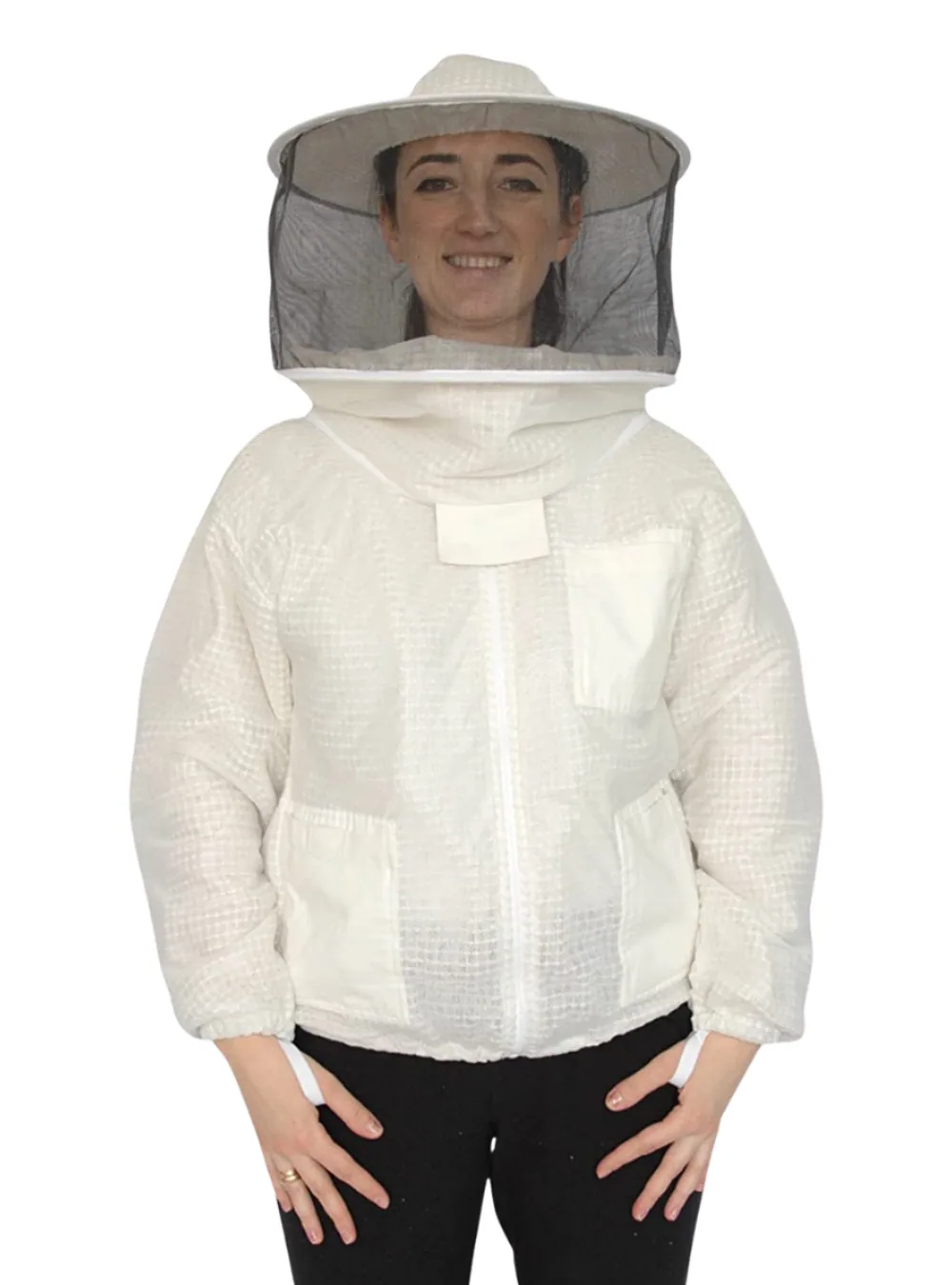
What a low price of a bee suit leaves out
| Usually missing | What it costs you |
|---|---|
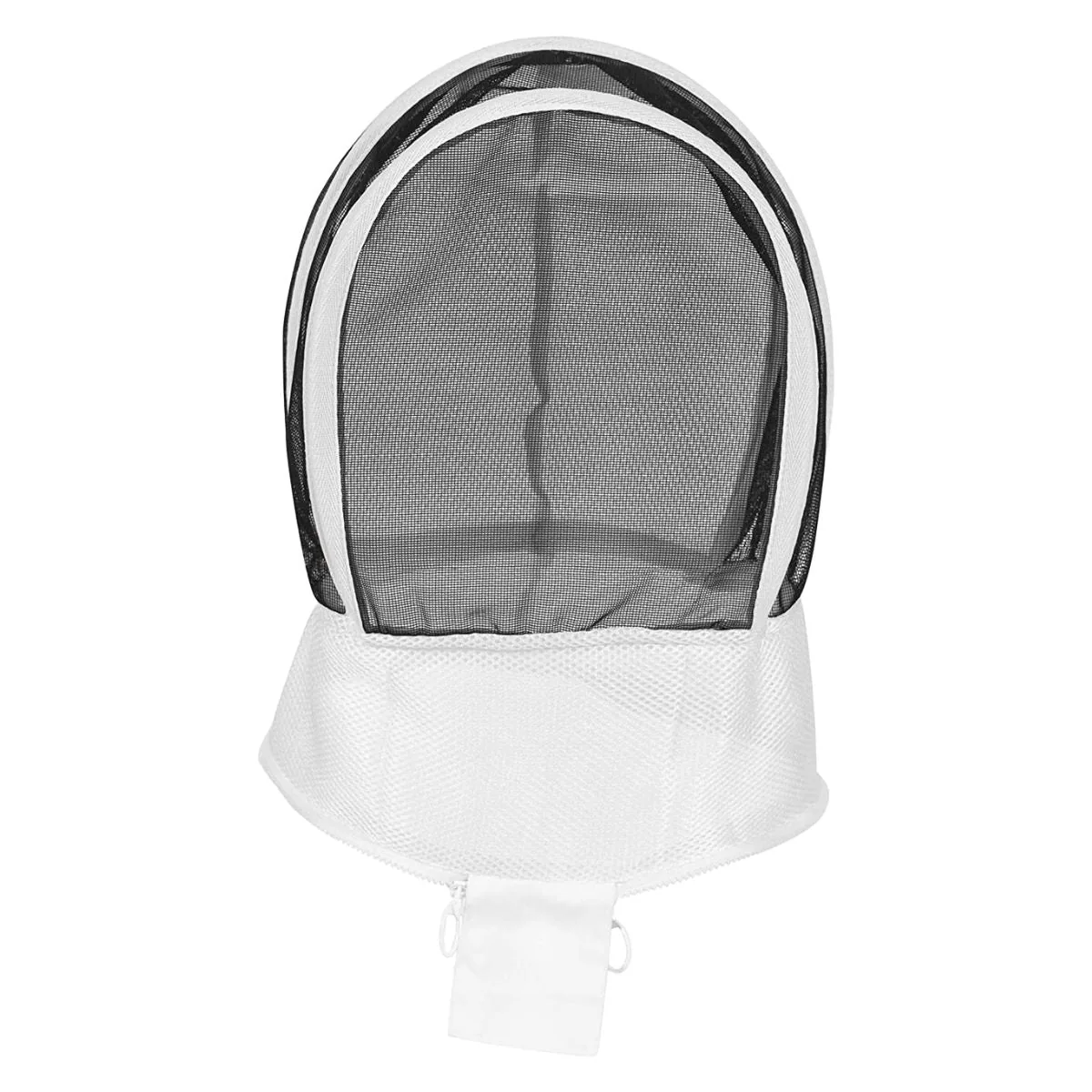
| A detachable veil | A damaged veil ends the whole suit |
| Replacement parts | Everything becomes a write-off |
| Proper grading by size | Sleeves and rise scaled from chest; it rides up |
| Thumb loops | The sleeve travels when you reach |
| A second slider on the hood zip | No redundancy on the component most likely to strand you |
| Good elastic | Cuffs go slack in a season rather than several |
None of those shows in a photograph, which is why cheap suits photograph well. The first two matter most, because a stitched-in veil turns the whole garment into a consumable — replacing a veil covers why.
What raises the price of a bee suit and changes nothing
Heavier cloth. Distance defeats a sting, not mass. Heavier cloth runs hotter, and you stop closing a suit you cannot bear — GSM measures weight, not protection.
More pockets. The easiest feature to add and the least likely to matter. Each one patches over the mesh and blocks the airflow — why bee suits have so many pockets.
Branding and colour. Short production runs cost more per garment, which is why a coloured suit sometimes does. The cloth is identical — coloured bee suits covers it.
Where the price of a bee suit is worth paying
Three cases.
You wear it often. A suit that annoys you once a month is a nuisance; one that annoys you daily is a suit you stop wearing properly. Comfort compounds.
The chart has never fitted you. Then cutting is the thing you are buying, and a measured suit is a fit purchase rather than a luxury one.
You work hard in it. Removal work treats a suit as a consumable. The cheap one goes first.
Where the price of a bee suit is not worth paying
In a first season. You do not yet know how hot you get, which veil suits your face, or whether you mind gloves. A borrowed or second-hand stock suit answers all three cheaply. A bee suit for beginners and buying used both cover it.
Nor on weight or features. When a listing leads with fabric weight and pocket count, it is selling you the parts that matter least.
The price of a bee suit over its life, not on the day
A suit's real cost is what you spend over its life, and that is decided by parts rather than by the sticker.
A suit with a detachable veil and available cuffs stays in service through several repairs. A cheaper suit with a stitched-in veil is finished the first time a thorn catches the mesh — and a torn veil is the commonest damage there is. Two suits that look similar can differ by several replacements over the same period.
That is why whether you can replace a veil is the question worth asking before any other, and why a warranty length tells you less than a parts list does.
Where a second suit beats a better one
If you are choosing between one expensive suit and two ordinary ones, the two are often the better answer.
A second suit means a damaged one gets repaired rather than worn damaged. It means a heavily stung suit can be washed and dried properly before the next visit — which matters more than most people realise. And it means a wet suit in a humid week does not stop you working.
Anyone working regularly, and anyone doing removals, ends up here eventually. It is worth arriving on purpose rather than after a cancelled inspection.
Judging value in two minutes
- How many bonded layers? One is not ventilated construction, and the weave of a woven suit matters more than its weight.
- Does the veil detach, and can a replacement be bought?
- Are the cuffs elasticated, and is there a thumb loop?
- Does it publish sleeve and inseam for each size, or only chest?
- Will they answer a question about any of the above in writing?
Buy from whoever answers all five. What to check in a warranty is the same list from the other direction.
Our prices sit on the products themselves — ventilated suits, cotton suits and jackets. For guidance on what a kit has to do, with nothing to sell, see Penn State's beekeeping basics and the University of Georgia Bee Program.